131 Columbia Turnpike #2a, Florham Park, NJ 07932

Bleeding Tooth, Swollen Jaw, Loose Molar: When Extraction Can’t Wait


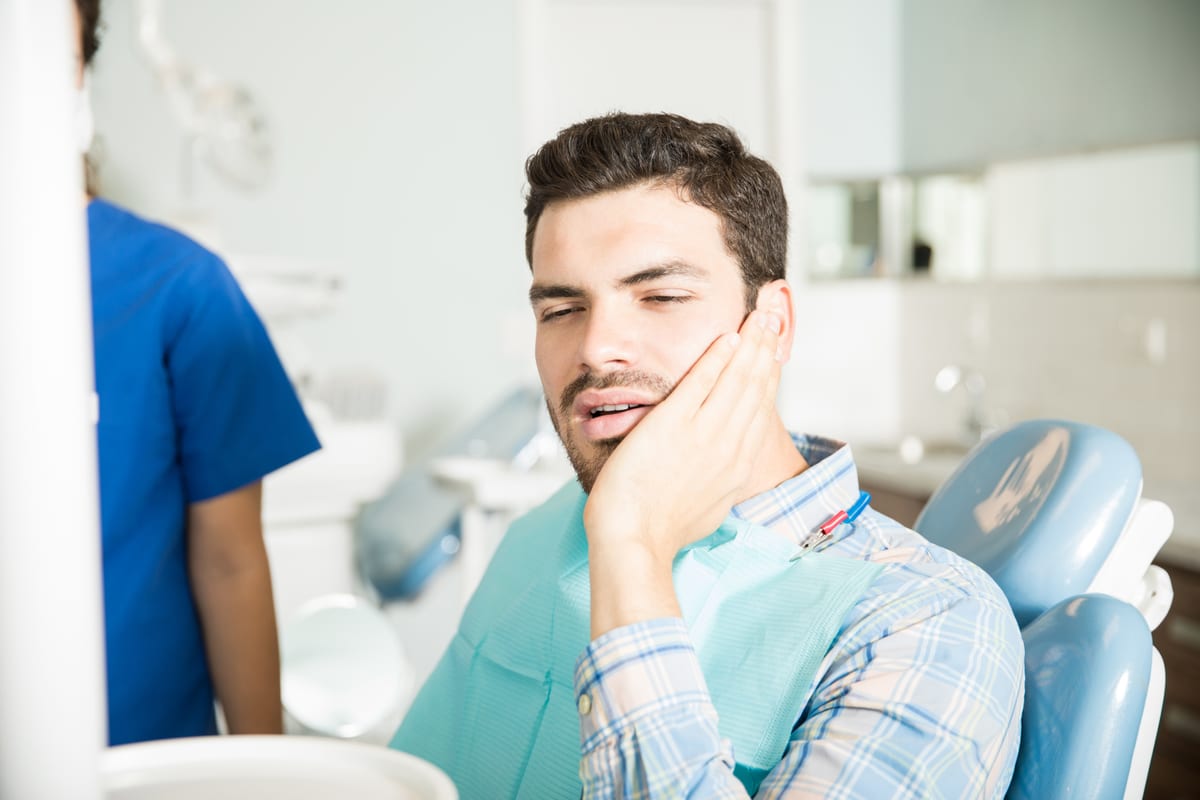
A throbbing jaw at midnight. A tooth that wiggles when you touch it. Bleeding that won’t stop after biting down. These symptoms can feel terrifying — and confusing. Knowing whether you’re facing a true dental emergency matters enormously. This triage guide helps Florham Park patients understand when a bleeding tooth, swollen jaw, or loose molar signals that extraction can’t wait. Dr. Charles Matarazzo and the team at Duo Dental Group of Florham Park are here to help you act fast and stay calm.
How to Tell If Your Dental Symptom Is a True Emergency
Not every dental discomfort requires a same-day visit. But some symptoms demand immediate attention. Delaying care can turn a manageable problem into a serious health risk.
Ask yourself these key questions first:
- Is there visible swelling in your jaw, cheek, or neck?
- Is bleeding happening continuously and not slowing down?
- Do you have a fever alongside tooth pain?
- Is a tooth visibly loose or partially knocked out?
- Is the pain so severe that over-the-counter relief doesn’t help?
If you answered yes to any of these, treat it as an emergency. Contact your dentist immediately. Do not wait to see if it improves overnight.
Bleeding Tooth in Florham Park: When to Worry
Minor gum bleeding after flossing is common. It usually signals early gum disease and improves with better oral hygiene. That type of bleeding is not an emergency.
However, some bleeding situations require urgent care. These include:
- Bleeding that continues for more than 10–15 minutes with pressure applied
- Bleeding following a tooth being knocked out or partially dislodged
- Spontaneous bleeding with no obvious cause
- Bleeding accompanied by significant pain or swelling
Uncontrolled bleeding after a dental injury is a red flag. Apply clean gauze and bite down firmly. Head to our Florham Park office — or an emergency room — if bleeding doesn’t slow within 20 minutes.
Persistent bleeding can also signal a deeper infection. An untreated tooth infection can spread rapidly. This is not a situation to manage at home indefinitely.
Swollen Jaw: The Warning Sign You Should Never Ignore
A swollen jaw is one of the most serious dental symptoms. It often signals an abscess — a pocket of infection forming at the tooth root or in the surrounding gum tissue. Left untreated, an abscess can spread to your neck, throat, or even your brain.
Signs that your swollen jaw needs immediate care include:
- Swelling that extends toward your neck or throat
- Difficulty swallowing or breathing
- A fever of 101°F or higher alongside jaw swelling
- A visible pimple-like bump on your gum near a painful tooth
If swallowing or breathing feels difficult, go to the emergency room first. This signals a potentially life-threatening infection spread. Your airway takes priority over any dental procedure.
For swelling that is localized and uncomfortable but not restricting your airway, call Duo Dental Group of Florham Park right away. Dr. Matarazzo can evaluate whether drainage, antibiotics, or extraction is needed to resolve the infection safely.
Loose Molar: What It Means and When Extraction Can’t Wait
A loose adult tooth is never normal. Unlike childhood, adult teeth don’t loosen naturally. A loose molar signals something serious happening beneath the surface.
Common causes of a loose adult tooth include:
- Advanced gum disease that has eroded the bone supporting the tooth
- Trauma from an accident, fall, or sports injury
- Severe tooth decay that has compromised the root structure
- A dental abscess weakening the surrounding bone
In some cases, a loose tooth can be stabilized and saved. Splinting the tooth to adjacent teeth buys time for healing. However, if the bone loss is severe or infection is present, extraction may be the only safe path forward.
Delaying extraction when it’s needed only worsens outcomes. The infection can spread. The surrounding teeth can become compromised. Acting quickly protects your overall oral health. After extraction, restorative options like Dental Crowns Bridges Florham Park can help restore your smile and function.
What Happens During an Emergency Dental Visit at Duo Dental Group
Knowing what to expect can ease your anxiety. When you arrive for an emergency visit, Dr. Matarazzo moves efficiently to assess and relieve your pain. Here is what typically happens:
- Immediate pain assessment — We identify where the pain originates and how severe it is.
- Digital X-rays — We capture images to evaluate infection, bone loss, or structural damage quickly.
- Diagnosis and treatment plan — Dr. Matarazzo explains your options clearly and honestly.
- Immediate relief treatment — This may include drainage of an abscess, stabilization of a loose tooth, or extraction if necessary.
- Follow-up planning — We schedule any restorative care needed after the emergency resolves.
Our goal is always to preserve your natural tooth whenever safely possible. Extraction is recommended only when it is truly the best option for your health. We discuss every step with you before proceeding.
After an emergency is resolved, many patients explore smile restoration options. Cosmetic Dentistry Florham Park services like veneers and whitening can help you feel confident again after a dental trauma or illness.
Self-Care Tips While You Wait for Your Appointment
Sometimes you face a delay before reaching professional care. Use these steps to manage discomfort safely in the meantime:
- Apply a cold pack to your cheek in 10-minute intervals to reduce swelling
- Use over-the-counter ibuprofen or acetaminophen as directed for pain
- Rinse gently with warm salt water to reduce bacterial load in the mouth
- Avoid chewing on the affected side entirely
- Do not apply aspirin directly to gum tissue — this causes chemical burns
These steps manage symptoms temporarily. They are not substitutes for professional care. Please do not use home remedies as a long-term strategy for a dental emergency.
Conclusion: Don’t Wait When Pain Is Telling You Something
Your body sends clear signals when something is wrong. A bleeding tooth, a swollen jaw, or a loose molar are your mouth’s way of asking for help. Recognizing the urgency — and acting on it — protects your health, your smile, and your quality of life. Dr. Charles Matarazzo and the caring team at Duo Dental Group of Florham Park are ready to help you navigate dental emergencies with expertise and compassion. Book Now to schedule your appointment with our team.
Frequently Asked Questions
Is a swollen jaw always a dental emergency?
Yes, a swollen jaw should always be evaluated urgently by a dental professional. Swelling can indicate an abscess or spreading infection. If swelling affects your ability to swallow or breathe, go to an emergency room immediately.
Can a loose adult tooth be saved, or does it always need extraction?
It depends on the cause and severity. If the tooth is loose due to trauma and the bone is intact, it may be stabilized and saved. However, if advanced infection or severe bone loss is involved, extraction is often the safer option to protect surrounding teeth.
What should I do if my tooth is bleeding and won’t stop?
Apply firm pressure with clean gauze or a folded cloth and bite down steadily for 15–20 minutes. Do not remove the gauze to check too often. If bleeding continues beyond 20–30 minutes, contact a dentist or emergency room right away.
How quickly can a dental abscess become dangerous?
A dental abscess can become serious within days. Infections in the mouth are close to vital structures including your airway. Any abscess with accompanying fever, facial swelling, or difficulty breathing warrants emergency care the same day.
What happens after an emergency tooth extraction at Duo Dental Group?
After an extraction, Dr. Matarazzo will guide you through healing and discuss tooth replacement options. Options may include dental implants, bridges, or dentures depending on your individual situation. Restorative care helps protect your bite and surrounding teeth after a tooth is removed.